How To Start UGC And Book Your First Campaign
When I first started creating UGC, it felt like a natural transition from everything I had already been doing.
I had a background in social media, photoshoot production, modeling, and digital marketing. I had spent years creating content, working on shoots, understanding how brands communicate online, and learning how to make products look interesting on camera.
But even with that experience, I still had to learn how UGC worked as a business.
I had to learn what brands were looking for, how to organize my work, where to find opportunities, how to submit content professionally, and how to build relationships that turned into repeat campaigns.
Six months after starting UGC, I quit my digital strategist job at a marketing agency. Today, I’m making around $20k a month from UGC and creator work, largely because of the relationships I have built with agencies, recruiters, and brands over time.
UGC changed my life because it gave me creative freedom, schedule freedom, and the ability to build an income around something I enjoy and can control.
And I really believe anyone can start!
If you like taking pictures and videos, you can start. If you can talk to the camera, you can start. If you already take outfit pictures, food pictures, travel videos, aesthetic clips, product shots, or fun TikToks, you probably already have more content than you realize.
Most people just do not know where to begin.
So let’s start there.
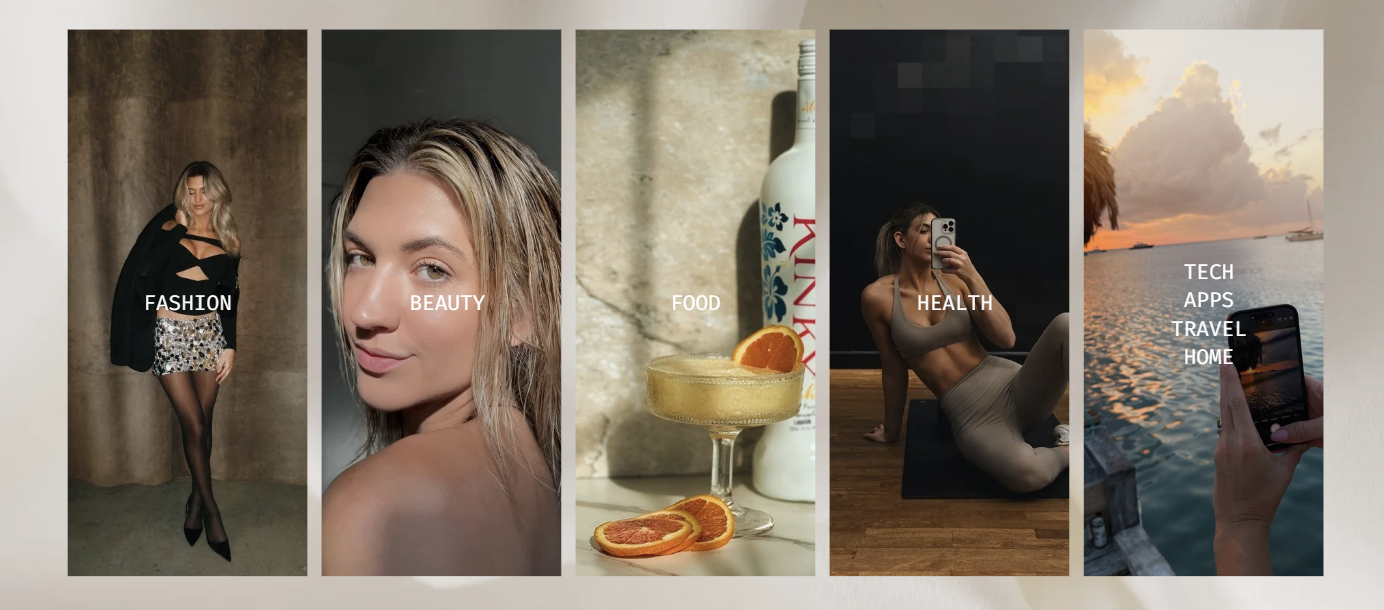
First, Understand What UGC Is
UGC stands for User Generated Content.
It is content created by real people for brands to use in their marketing. This can look like videos, photos, product demonstrations, reviews, testimonials, tutorials, unboxings, voiceovers, lifestyle clips, or organic style content.
The reason brands love UGC is because it feels natural. It looks like the kind of content people are already watching on TikTok, Instagram, Pinterest, YouTube Shorts, and other platforms.
UGC does not require a large following. A brand can hire you even if you have a small audience because they are hiring you for the content itself.
Your job as a UGC creator is to help a brand show its product in a way that feels clear, relatable, and believable ( not a professional production)
Examples of UGC you’ve probably seen:
talking to the camera about a product you love.
filming a morning routine with skincare on your bathroom counter.
a close up shot of jewelry before dinner.
It can look like an outfit video, a recipe video, a pet product video, a gym bag packing video, or a simple product review.
Once you realize how many different forms UGC can take, it becomes much less intimidating.

Step One: Build Your Portfolio
Your portfolio is the most important first step.
No one can hire you without seeing examples of your work.
The good news is you probably already have one sitting in your camera roll!
When I first started, I used old outfit pictures, aesthetic out to dinner shots, accessory close ups, travel clips, lifestyle photos, and fun TikToks I had already posted to my personal accounts.
I did not wait until I had a long list of paid brand work. I started by organizing or re-editing the content I already had.
Then, as I wanted to book more campaigns, I took products from around my house and created example content to make my portfolio stronger.
You can do the same-
Start by going through your camera roll and looking for content that already feels like it could belong in a brand campaign.
Look for:
Clear outfit photos
Product close ups
Lifestyle photos
Food or coffee photos
Travel clips
Pet content
Fitness or hobby content
Aesthetic home clips
TikToks you have already made
Any video where you are comfortable on camera
Then, film a few new examples using products you already own (especially an example talking to camera)
You could film skincare, makeup, hair tools, supplements, coffee, clothing, shoes, kitchen products, home products, pet products, fitness gear, or anything you naturally use in your life.
You do not need paid campaigns to show that you can create quality content. You need examples that prove you understand visuals, lighting, framing, storytelling, and how to make a product feel desirable.
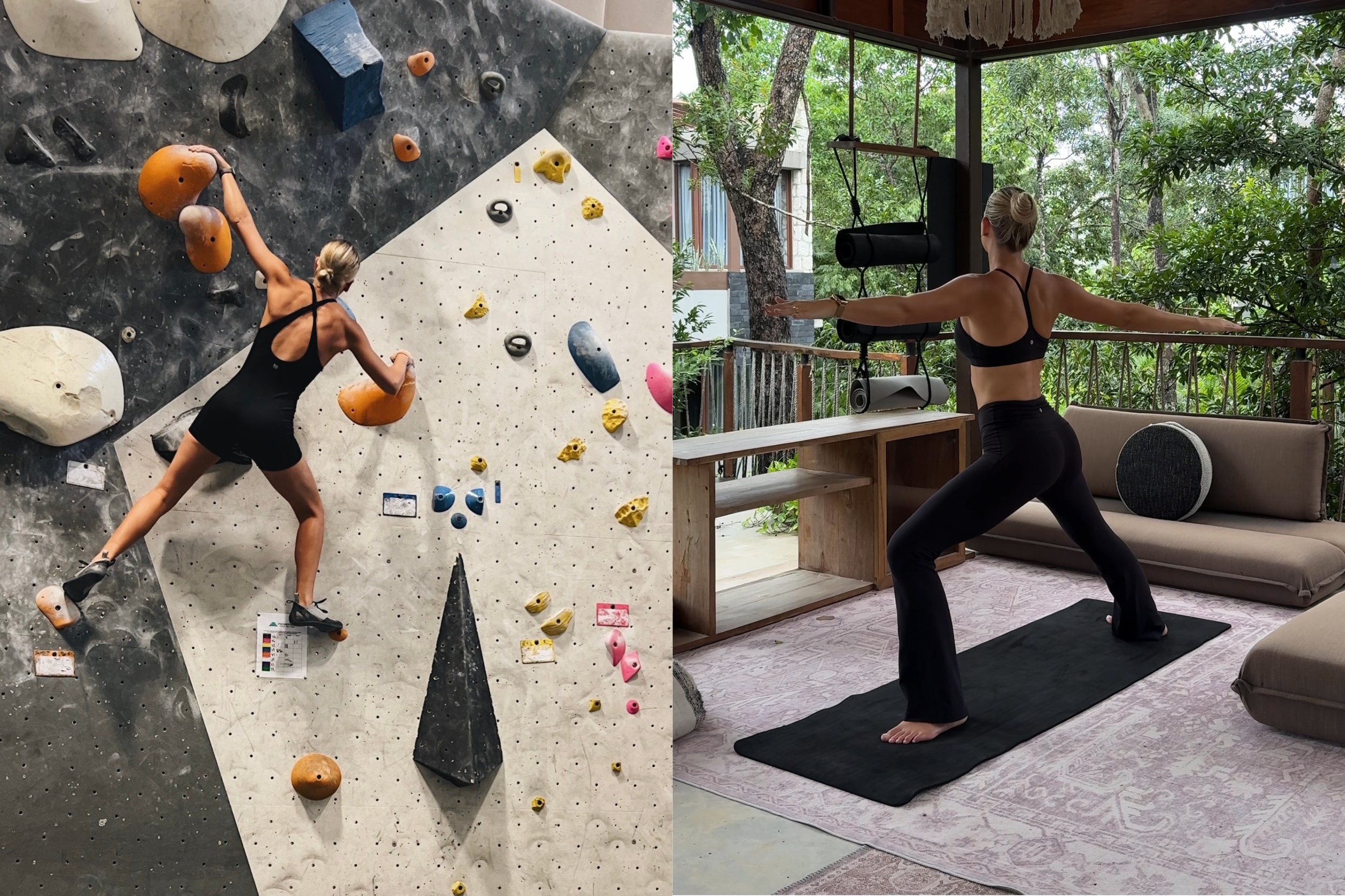
What Your Portfolio Should Include
Your first portfolio does not need to be complicated.
I would aim for 5 to 10 strong pieces of example content.
Make sure your portfolio includes at least one talking to camera video. Brands want to know that you can speak clearly, show your personality, and communicate a message on camera.
You should also include examples where your face is visible and uncovered. If a campaign requires you to be on camera, the brand needs to see what you look like naturally.
Include at least one full body photo or video too. This is especially helpful for fashion, fitness, lifestyle, travel, wellness, and any campaign where the creator may need to be shown using the product in a full scene.
A strong beginner portfolio should show:
Clear audio
Good lighting
High quality visuals
Your face clearly
Your full body in at least one example
At least one talking to camera video
Product or lifestyle B roll
A few different content styles
Your natural personality
Anything unique about your life or hobbies
Do not underestimate your hobbies.
I love including rock climbing or tennis photos and videos in my portfolio because they instantly show something specific about me. I have been booked for campaigns because of that kind of content.
If you play a sport, cook beautiful meals, have a dog, travel often, decorate your home, lift weights, do pilates, paint, hike, ski, thrift, host dinner parties, or have any lifestyle detail that makes you feel specific, include it.
Brands and agencies are not only looking for perfectly polished content. They are looking for people who fit specific campaign needs.
Your unique life is part of the value:)
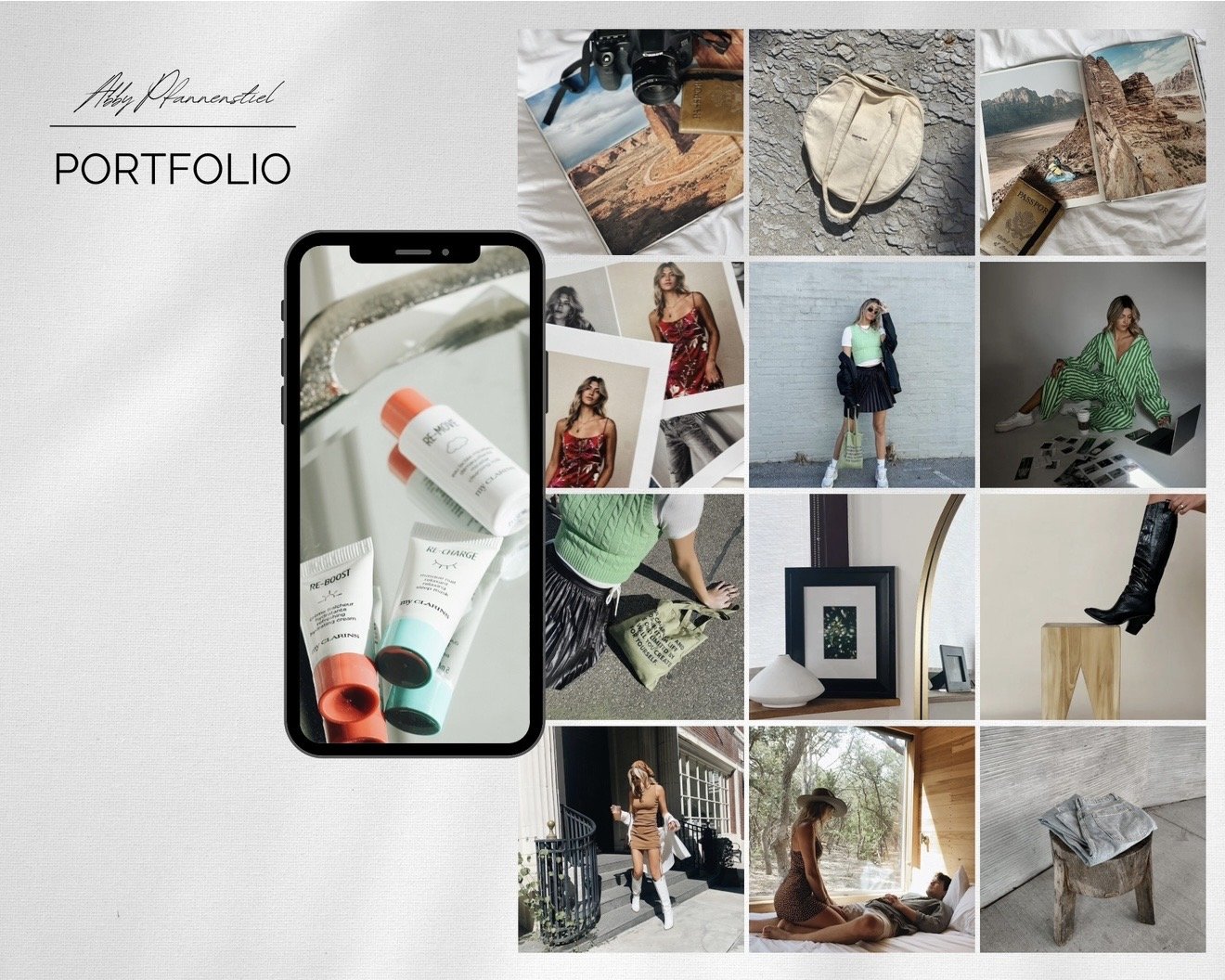
Example of my first portfolio before any paid work
Step Two: Build Your Portfolio In Canva
The easiest way to create your first portfolio is Canva.
Choose one of Canva’s free website templates, upload your best content, organize it clearly, and publish it as a site so you have a shareable link.
Your portfolio can include:
Your name
A short intro
A few lines about your content style
Your best videos
Your best photos
Any hobbies, lifestyle categories, or unique traits
Your email address
Your social links
Any past brand work if you have it
You do not need to buy a domain right away.
I used the free Canva link for about a year before eventually purchasing my own UGC domain through Canva for around $18 a year.
The free Canva link works perfectly fine when you are starting. The goal is to have one clean place where people can see your work.
Even if creating a separate portfolio feels like too much at first, many online UGC platforms have portfolio sections built into their applications. Platforms like Backstage, UseClip, Cohley, and Insense allow you to upload examples directly.
So do not let the tech side stop you.
As long as you have 5 to 10 strong examples of your work, you can start applying.
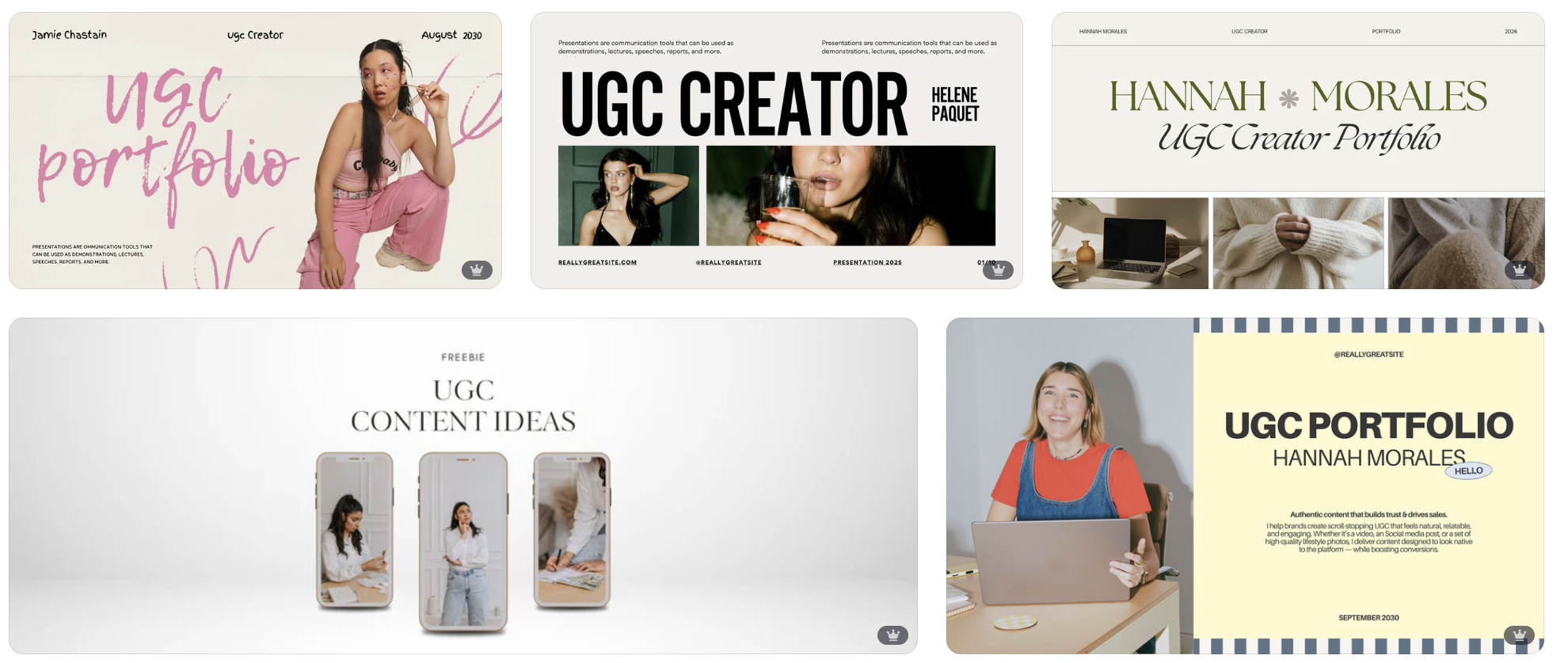
type “UGC” in the canva templates search
Step Three: Start With Beginner Friendly UGC Platforms
Once you have examples of your work, start applying for jobs.
For beginners, I would start with UGC platforms and creator marketplaces because they make it easier to see active opportunities.
Some beginner friendly places to check out include:
UseClip
JoinBrands
Backstage
Billo
Insense
These sites usually have campaign postings you can apply to directly. Some will ask you to upload examples into your profile. Others may ask for a portfolio link.
This is a great place to get your first few real campaigns because the process is usually more structured.
You can get experience reading briefs, creating content for real brands, delivering files, receiving feedback, and understanding what brands actually ask for.
The goal with your first few campaigns is not only to make money. The goal is to get experience, build confidence, collect stronger portfolio examples, and learn how the process works.
Once you have a few real jobs under your belt, your portfolio will become stronger and you will have more proof that you can deliver.
Step Four: Move Toward Agencies And Recruiters
There are many ways to build a UGC business. Some creators have had a lot of success working directly with brands.
I can only speak to what has worked for me, and most of my work has come through agencies and recruiters.
I do not spend my time pitching 100 brands a week.
I will apply to bulletins, job postings, platform campaigns, and opportunities that make sense. But I personally do not rely on cold pitching brands directly.
About 90% of my work comes through agencies and recruiters who have worked with me before, know my style, trust me, and add me to their creator roster.
Then, when a campaign comes along that they think I would be good for, they send it my way.
This is why your portfolio matters so much.
From my years working in UGC, I have helped on both the agency side and the creator side. When I was helping cast creators for an agency, I saw how quickly decisions were made.
Spoiler alert: People were not sitting there reading long pitches.
They were looking at portfolios!
They wanted to see the creator’s face, quality, camera presence, lifestyle, examples, and overall fit.
So I’ll say it again- your portfolio is what gets you considered.
Once you have some experience, reach out to agencies and ask to be added to their creator list or roster.
Some agencies and companies to look into include:
Hey Platforms (duh!)
TubeScience
Power Digital
Grapevine
UGC Factory
You can keep the message simple. Introduce yourself, share your portfolio, mention that you create UGC, and ask if they are currently adding creators to their roster.
The goal is to get into the ecosystem where agencies and recruiters can think of you when the right campaign comes up.
Step Five: Keep Applying And Keep Improving
Between all of the UGC sites, platforms, agencies, recruiters, and job postings, there are new opportunities every day.
If you want this to work, you do need to hustle in the beginning.
Check platforms often. Apply to jobs that fit you. Keep uploading better examples. Update your portfolio as your content improves. Save your best work. Pay attention to what gets responses.
If you book a campaign, treat it seriously. We will cover all of this in another blog but for now here is the quick intro:
Read the brief carefully. Film in good lighting. Make sure the audio is clear. Submit on time. Communicate like a professional. Be kind, responsive, and easy to work with.
After you deliver, follow up.
A lot of UGC growth comes from repeat work. One project can lead to another project. One agency can send you multiple campaigns. One recruiter can remember you for future opportunities.
That is how UGC can become consistent.
You do not need to know everything before you start. You need examples of your work, a place to share them, and the willingness to apply.
So just to recap:
Start with your camera roll.
Build the portfolio.
Upload your examples.
Apply to beginner platforms.
Get experience.
Reach out to agencies.
Keep improving.
The first campaign is the hardest because it feels unfamiliar. Once you get one, you understand the process. Once you understand the process, you can keep building.
UGC is one of the most accessible creative opportunities because it allows you to start with what you already have!